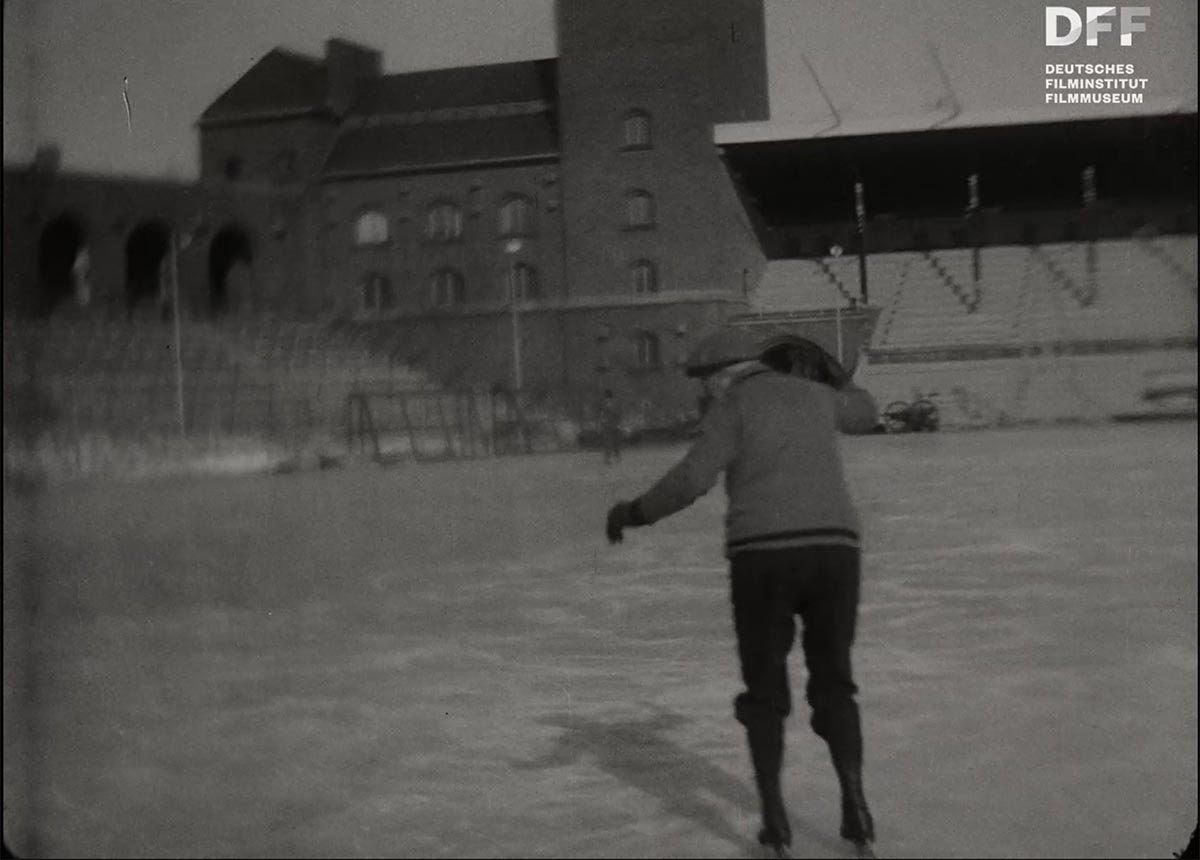
Seit den 1910er Jahren hat Oskar Barnack, der Erfinder der Leica, mit seiner selbstkonstruierten Filmkamera Geschehnisse rund um Wetzlar im Bild festgehalten. Er dokumentierte Flutkatastrophen, Stadtf...
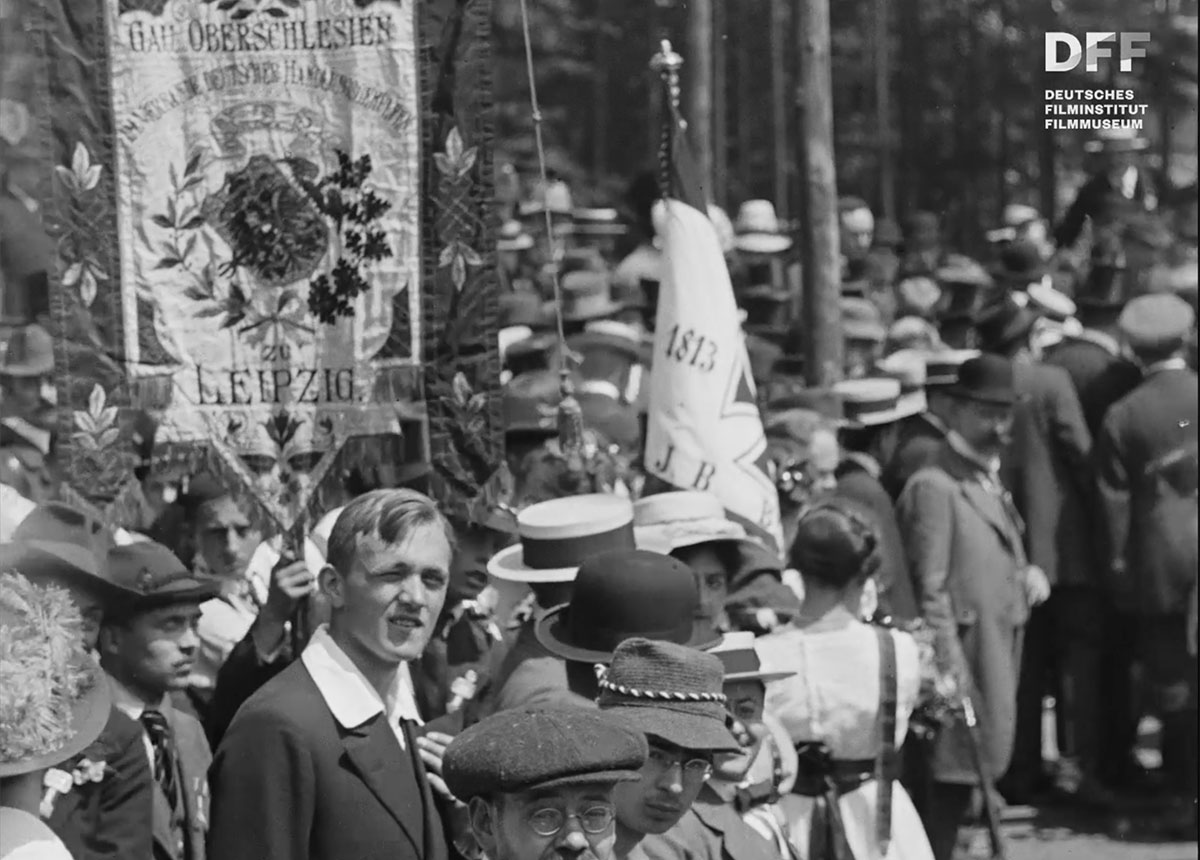
Documentation of the celebration of the laying of the foundation stone for a "Taunus recreation home" in Oberjosbach, Hesse, on May 21, 1914, showing the celebrating crowd consisting of festively dres...
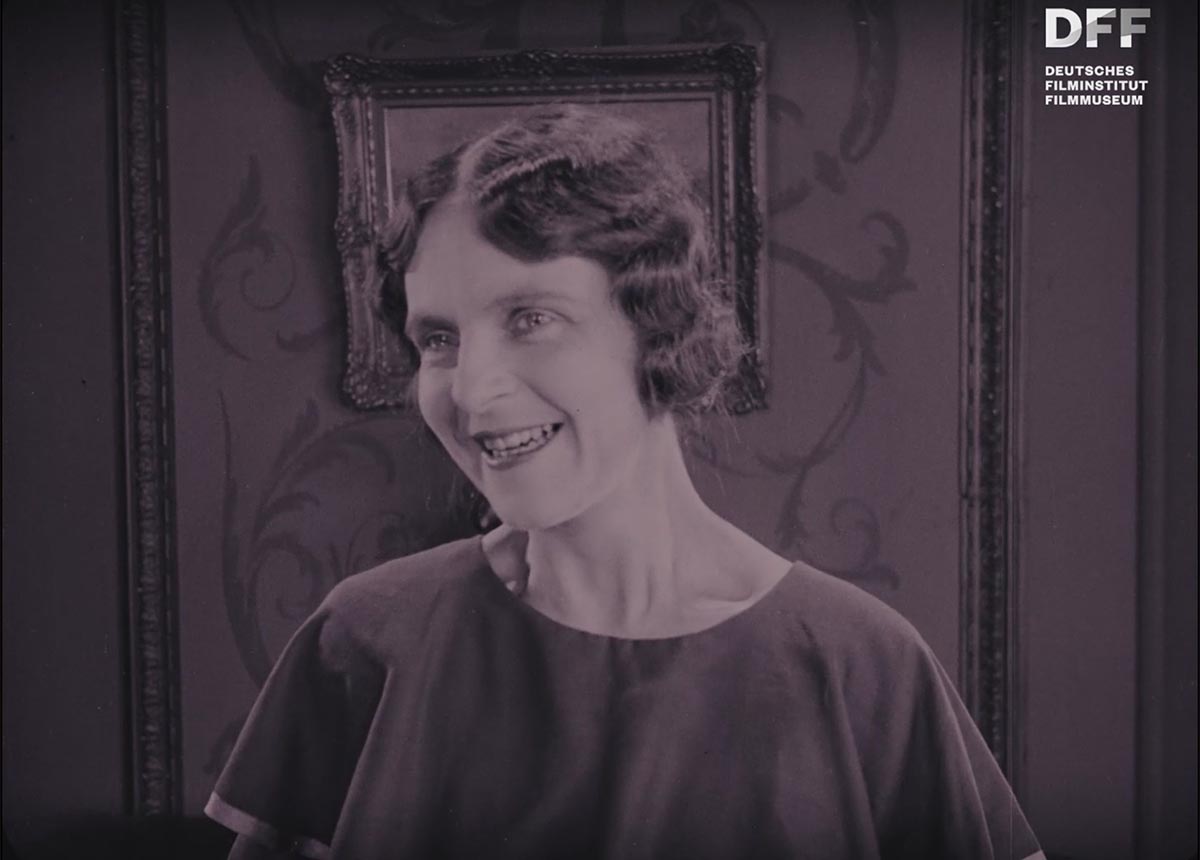
Portraits of women taken in the early 1920s and a portrait of a woman and a man taken on June 16, 1924. The latter portrait possibly shows Alfred Träger and his wife. Since the 1910s, Oskar Barnack, ...
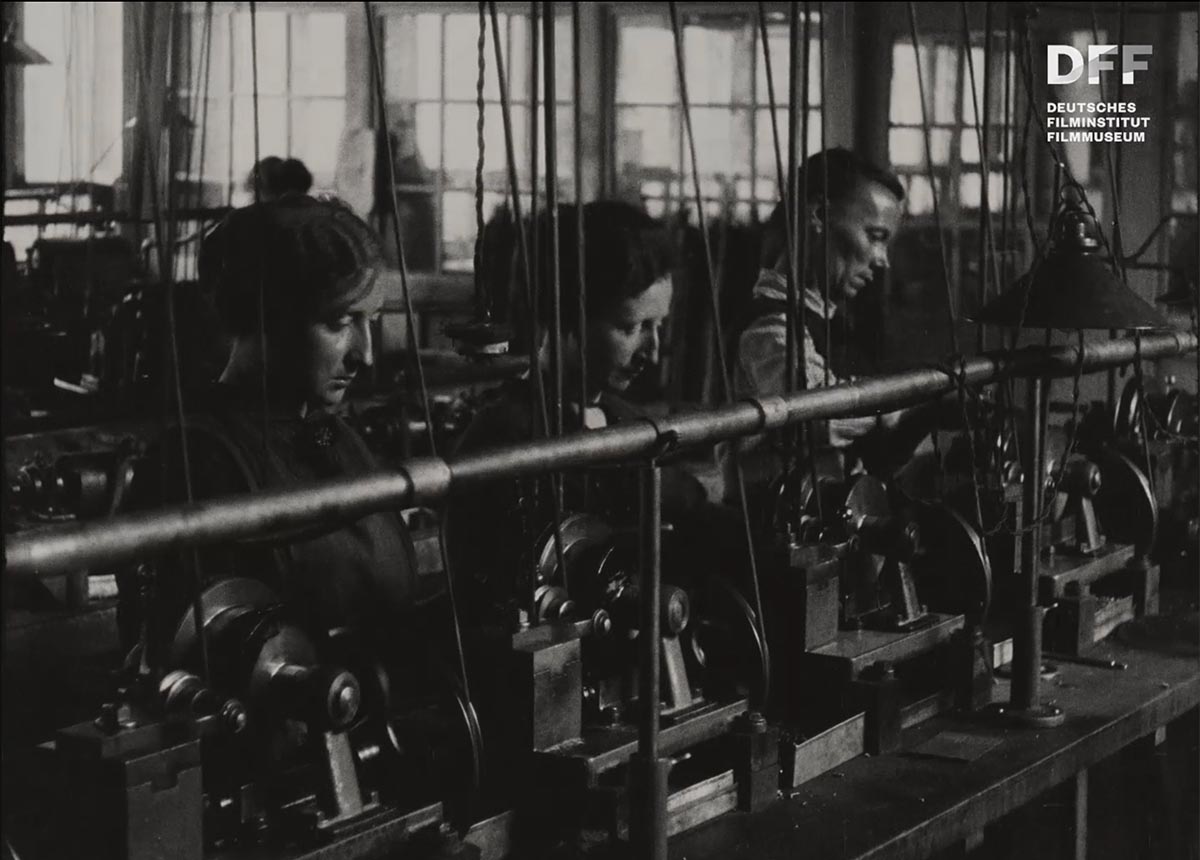
Women in armament deployment. Female workers produce fuses for grenades on semi-automatic lathes. Since the 1910s, Oskar Barnack, the inventor of the Leica, has captured events around Wetzlar on film ...
Documentation of the city of Wetzlar in Hesse at the end of the war in November 1918, including Braunfelser Straße and Silhöfertorstraße. Buildings are decorated with wreaths and garlands of fir br...
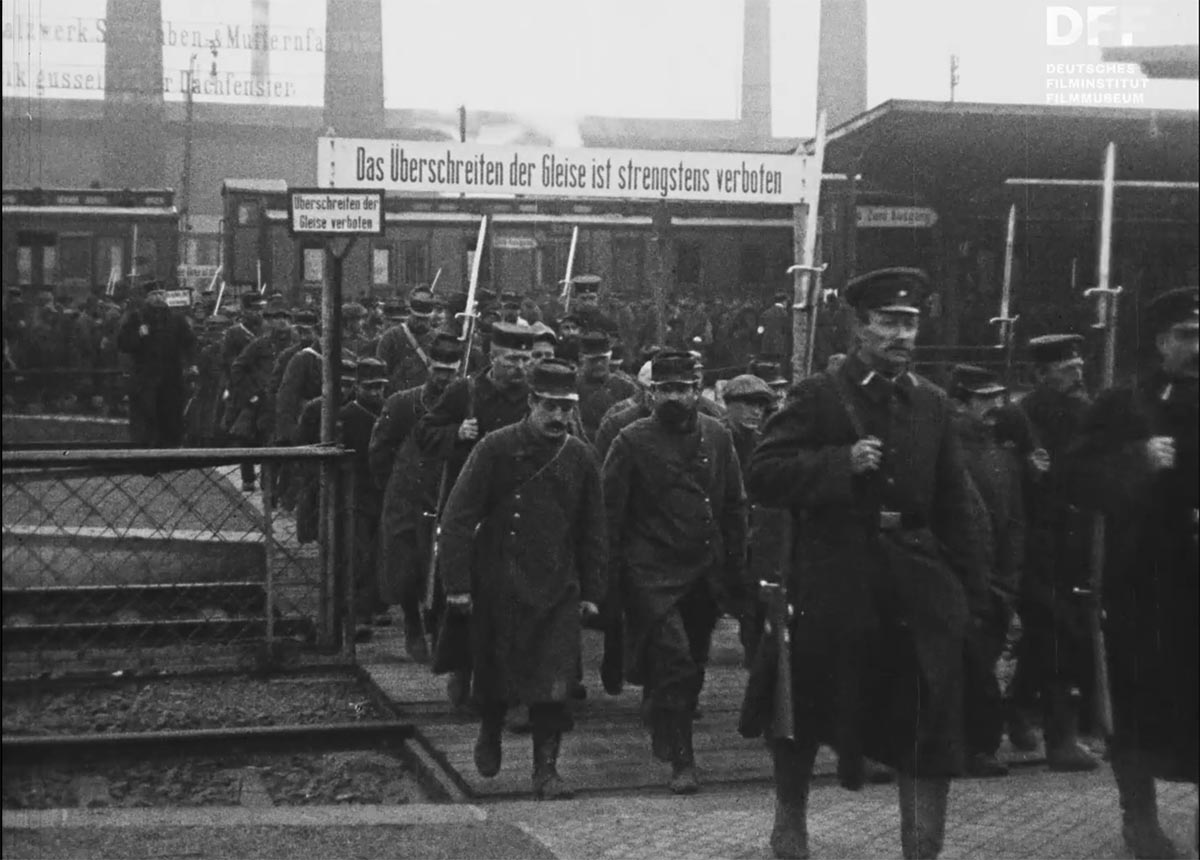
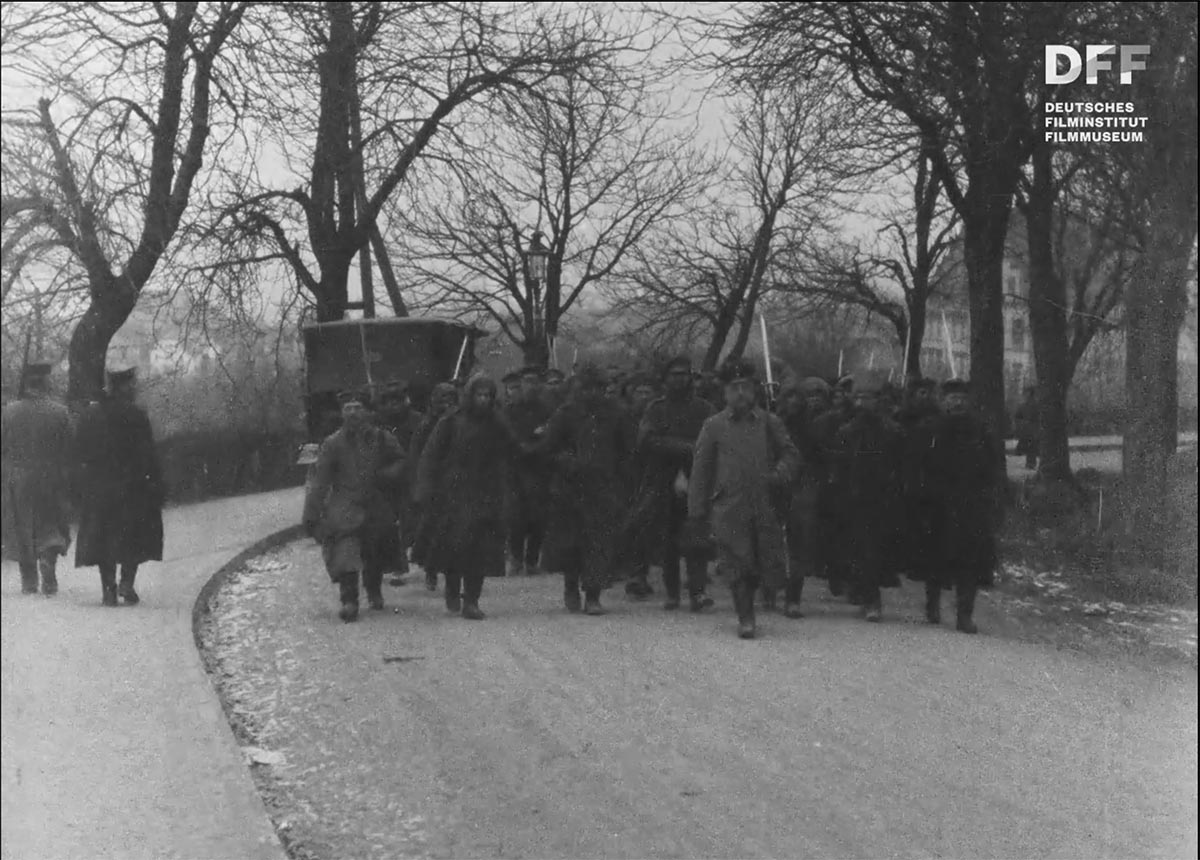
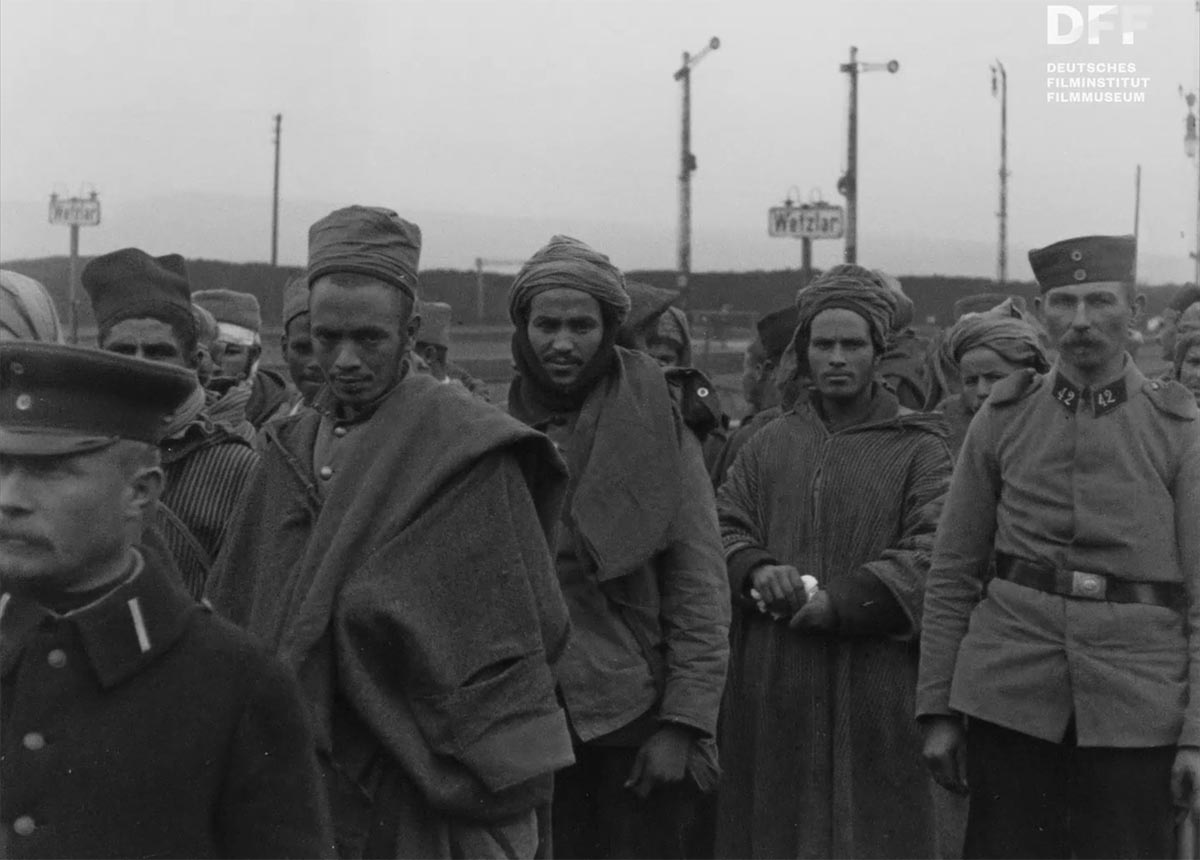
March of French soldiers into the camp. The soldiers who got off the train are escorted to the camp by the gendarmerie and the Landsturm. One can see the gendarme Wallenreich. Since the 1910s, Oskar B...
Since the 1910s, Oskar Barnack, the inventor of the Leica, has captured events around Wetzlar on film with his self-constructed film camera. He documented flood disasters, city festivals, medical expe...
Oskar Barnack