Unedited footage. At the Chrystal Palace, in Oporto, an automobiles exhibition. Panoramic view of the city. The car stands.
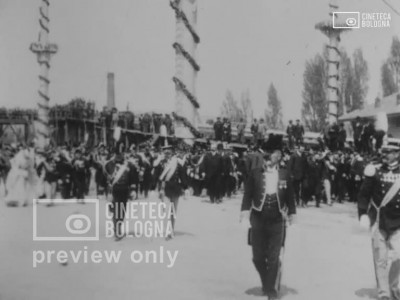
Panoramic shot over Santiago de Compostela. A crowd in the streets attends a procession followed by a parade of men with hats, women with veils, people with masks and music bands.
Unedited footage on the Presidential visit to Oporto on the occasion of the 31st January celebrations (1st attempt of a republican revolution)
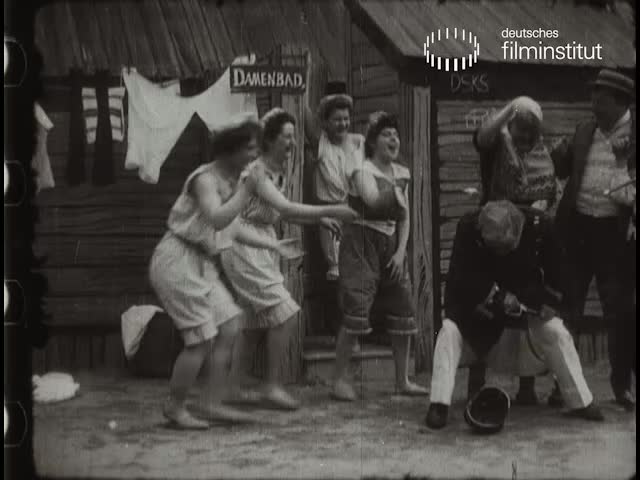
Bei "Vor dem Damenbad" handelt es sich um ein Tonbild. Tonbild ist eine Bezeichnung für frühe Kinofilme mit Synchronton (aufgezeichnet und abgespielt im Nadeltonverfahren). In Deutschland begann die...
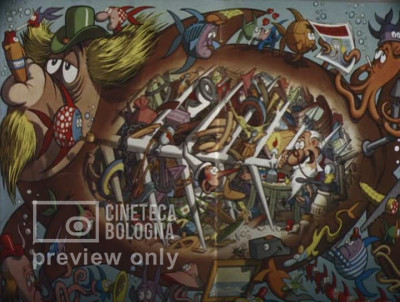
A re-examination of the text based on illustrations of various editions of “Pinocchio” by Carlo Collodi.
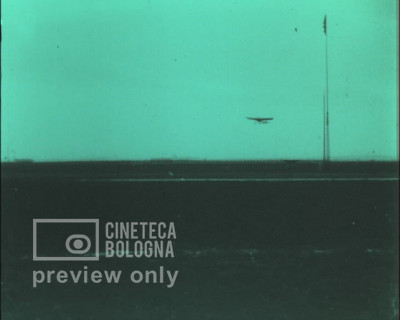
Episode of the series "Aviation in Brescia": airplane exercises featuring the pilots Curtiss, Rougier, Calderara, Blériot and Cobianchi.
Film restored in collaboration with Fondazione Cineteca Italiana.
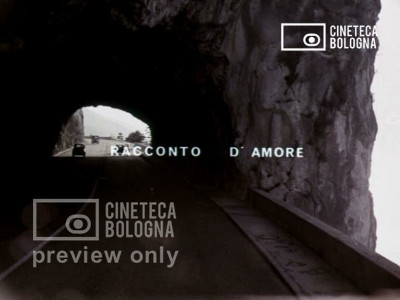
This documentary puts together different moments of Pier Antonio Quarantotto Gambini’s poetic journey, pausing on the only work in verse by this writer from Trieste, “Racconto d'amore” (Lo...
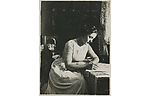
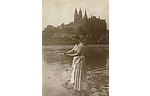
Alice Verden
Alice Verden
Still with Alice Verden
Erich Ponto, Alice Verden
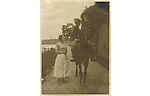
Still with Alice Verden, Erich Ponto (both on the left)
Hedda Lembach, Alice Verden (from left to right)
Still from "Der Geiger von Meißen"
Still with Alice Verden (top, on the left)
"Ueberhaupt und so....", Der Kinematograph, 717, (1920). Polemik anlässlich einer Reichstagsdebatte, in der das Kino als Hauptdarsteller pronographischer Kunst bezeichnet wurde. Zitiert werden die Au...
Brepohl. "Von der Kinematographenzensur." Bild & Film. Zeitschrift für Lichtbilderei und Kinematographie III, 1 (1913/1914): 23. Bericht über den Fall eines Kinobesitzers, der in der Zensur, sofern ...
Schibas, Franz. „Wie meine Schülerinnen die Filmstücke beurteilen.“ Bild & Film. Zeitschrift für Lichtbilderei und Kinematographie III, 2 (1913/1914): 37-39. Schibas schildert, wie seine Schül...
Hellwig, Albert. "Zur Reform der Filmzensur." Bild & Film. Zeitschrift für Lichtbilderei und Kinematographie III, 3/4 (1913/1914): 56-58. Gerichtsassessor A.H. erklärt das mögliche Zustandekommen e...
O. Verf.. "Entwicklung und Bedeutung des Kinowesens." Bild & Film. Zeitschrift für Lichtbilderei und Kinematographie III, 3/4 (1913/1914): 70. Statistische Zahlen, die die Bedeutung und Verbreitung d...
Sellmann, Adolf. „Der Kampf um den Kino.“ Bild & Film. Zeitschrift für Lichtbilderei und Kinematographie III,5 (1913/1914): 97-100. Das Kino sei vor allen Dingen von Feinden von außen bedroht, v...
Thielemann, W.. "Kinematographie und biologische Forschung." Bild & Film. Zeitschrift für Lichtbilderei und Kinematographie III,7 (1913/1914): 171-172. Bericht über den Einsatz von Filmkameras zur E...
Rennert, Malwine. "Die Tote“ (Retaggio d'odio), Bild & Film. Zeitschrift für Lichtbilderei und Kinematographie, III,8, (1913 /1914), S. 203-204. Rennert sieht den Film als extrem gefährlich und mo...