In 1917, in Paris, the sidewalks in front of the movie theaters are packed. On a quieter street, two soldiers from the colonial forces negotiate with a prostitute in front of a brothel.
In 1917, during World War I, street vendors sell the contents of their carts in the streets of Paris.
On July 4, 1920, at Iéna Square in Paris, officials place flowers a the foot of Washington's statue then give speeches. Next, troops march down President Wilson Avenue and war orphans parade down Cha...
On September 30, 1919, Armenian volunteers march in the rain at Invalides to commemorate having fought at the Allies' side during World War I. A camera operator films the scant crowd.
In 1917, Chinese workers who have come to France to support the Allies in the war effort, move forward in a line then disperse, as some civilians look on.
In August 1918, during World War I, Parisians can protect themselves from bombings by German Gothas by hiding in public shelters with varying capacities. To prevent glass from falling, shops and depar...
In August 1918, during World War I, the city of Havre is a swarm of activity. The naval base of the Belgian, British, and American forces, many soldiers transit through this city. At the port, shuttle...
In January 1921 in Paris, many unemployed workers stand in line in front of a soup kitchen. A police officer makes sure that the line is organized and functioning smoothly.
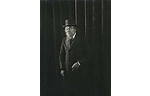
Fritz Huf
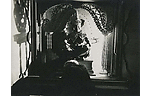
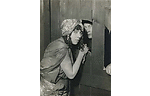
Still with Lyda Salmonova
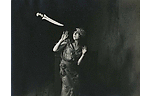
Lyda Salmonova
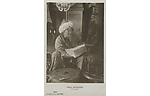
Paul Wegener
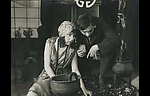
Lyda Salmonova, Paul Wegener
Paul Wegener
Paul Wegener
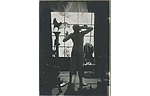
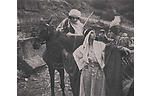
Still from "Auf den Trümmern des Paradieses"
Das Königliche Bild-und Filmamt und die Industrie, Der Kinematograph, 571, (1917). S. 22ff. Artikel über Verhandlungen des Bild-und Filmamtes mit Vertretern der Filmindustrie. Bufa zeige sich am Woh...
Walter Thielemann, Der Film 1917, Der Kinematograph, 573, (1917), S. 12ff. Jahresrückblick. Positiv hervorgehoben wird die immer breitere Anerkennung, die dem Kino zuteil werde, da der immer mehr sei...
Scala-Film-Verleih GmbH, Der Hetman der Ukraine, Der Kinematograph, 581, (1918), S. 18-19. Die Anzeige geht auf den Sieg gegen Russland ein und erwähnt das Interesse des Publikums an der Geschichte d...
Argus, Neuheiten auf dem Berliner Filmmarkte, Der Kinematograph, 581, (1918), S. 28-29. "Edelsteine" wird als erstes besprochen und als psychologisch tiefgründiges Werk bezeichnet. An dritter Stelle ...
Argus, Der rasende Roland von Euskirchen, Der Kinematograph, 582, (1918), S. 6. Entgegnung auf Vorwürfe des Euskirchener Volksblattes, das Kino sei sittenverderbend. Der Schriftleiter Werner Rats kö...
Argus, Neuheiten auf dem Berliner Filmmarkte, Der Kinematograph, 586, (1918), S. 28ff. Besprochen werden gleich zwei Propagandafilme zur achten Kriegsanleihe. "Lloyd George in Berlin" wird als äußer...
Julius Sternheim, Propaganda-und Aufklärungsfilme, Der Kinematograph, 592, (1918), S. 12-14. Propagandafilme müssten maßgeblich eine Botschaft verfolgen, was sie oftmals zwangsläufig langatmig mac...
Ludwig Brauner, Die kommende Geschmackswandlung, Der Kinematograph, 593, (1918), S. 15-16. Erörterung des Publikumsgeschmacks. Gegenwärtig sei vor allem Ablenkung vom Kriegsalltag gefragt, jedoch li...