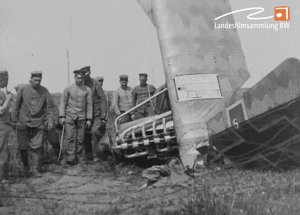
Disassembling of a crashed airplane.
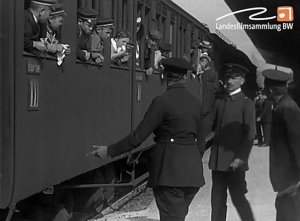
Bustling platform at the station of Ulm. Passengers, among them many children and Lina Hähnle (1851 - 1941, founder of German association for protection of birds), boarding and deboarding a train. Fe...
On January 24, 1915, the "Vlad Tepes" Boy Scout Legion from Braila takes the oath in the presence of Prince Charles, the royal heir, commander and general inspector of Romania's Great Boy Scout Legio...
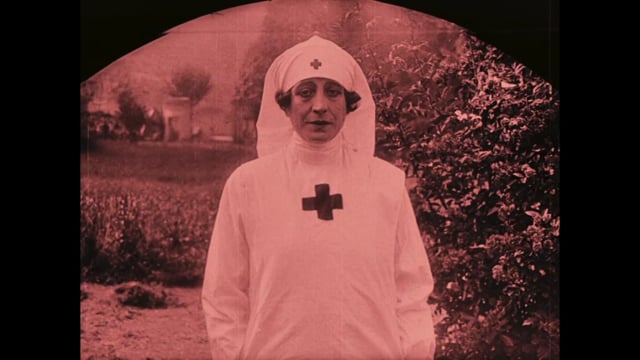
A patriotic drama played by one of the most beloved actresses of early Italian cinema: Mary Cléo Tarlarini is Mary, a high society lady who devotes all her dedication to the Italian patriotic cause, ...
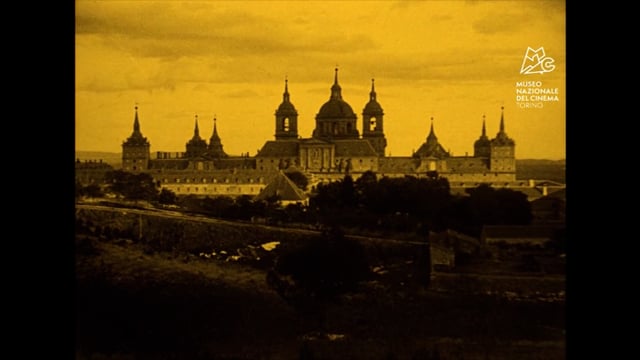
Vistas of some of the most well-known Spanish locations: Madrid, Barcelona, the bay of St. Sebastian, Burgos, Segovia, Malaga. It shows cock fights, the palace of the Alhambra in Granada and banks fil...
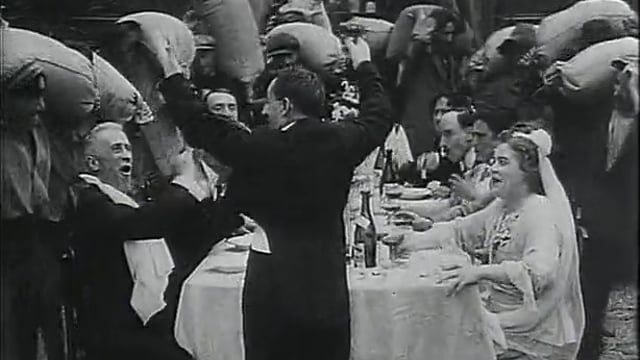
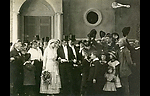
Cretinetti is about to get married and he could not be any happier and more in love with his Junoesque consort. But just on the day of his wedding, he reads a notice on the wall explaining how to beha...
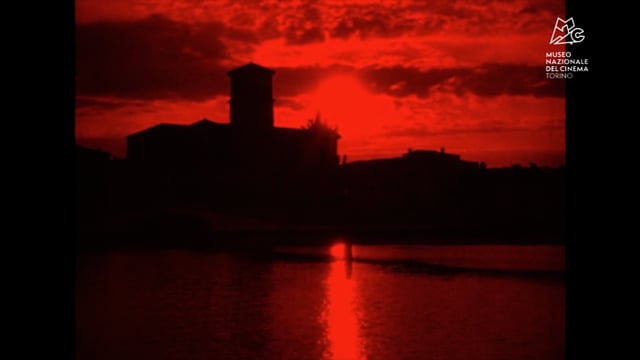
The film is made up of three episodes: In the gulf of La Spezia, The Val D’Aosta and In the Picturesque Lagoon. It is probably a new edition distributed by Tiziano Film in which older films produced...
War documentary filmed in Val Camonica (Brescia). The film begins with images of supplies being downloaded from a train at the station of Edolo. Bread, tins of beef and cheeses were destined for the s...
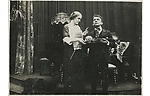
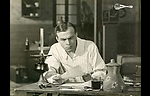
Alice Verden, Erich Ponto (both front)
Alice Verden, Erich Ponto
Still from "Christa Hartungen"
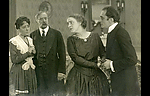
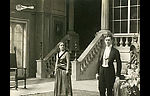
Olga Engl, Adolf Klein, Henny Porten, Theodor Loos (from left to right)
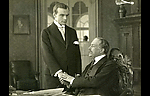
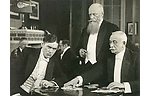
Paul Hartmann, Adolf Klein (from left to right)
Paul Hartmann
Henny Porten, Alexander von Antalffy
Still with Alexander von Antalffy (on the left)
Oscar Geller, Detektiv-Filme, Der Kinematograph, 593, (1918), S. 21-25. Eröterung der Krimiwelle. Man könne Krimis nicht einfach als Schund abtun. Auch wenn viele der frühen Krimis, maßgeblich aus...
Poldi Schmidl, Der Kinobesitzer als Staatsbeamter, Der Kinematograph, 607, (1918). Angesichts der geplanten Konzessionspflicht für Kinobesitzer wird die Möglichkeit einer Verstaatlichung der Filmind...
Argus, Neuheiten auf dem Berliner Filmmarkte, Der Kinematograph, 614, (1918). "Kinder der Liebe" als Tendenz- und Aufklärungsfilm bezeichnet, dessen Absicht überzeuge. "Der Gefangene von Dahomey" se...
Egon Jacobsohn, Ferdinand Lassalle, Der Kinematograph, 615, (1918), S. 18-30. Bericht von der Uraufführung in Berlin. Die Aufführung sei ein voller Erfolg gewesen, zumal es besonders gut in die Zeit...
Deutsche Lichtbild Gesellschaft e.V., Der Friedensreiter, Der Kinematograph, 618, (1918), S.22-23.
Emil Perlmann, Wenn die Waffen ruhen...!, Der Kinematograph, 619, (1918). Erörterung der Lage der Filmindustrie angesichts des greifbaren Kriegsendes. Die Filmindustrie müsse den Kampf gegen die Zen...
Der deutsche Film für das Ausland, Der Kinematograph, 620, (1918). Es sei Aufgabe der deutschen Filmindustrie, den negativen Vorstellungen über Deutschland, die im Ausland im Krieg verbreitet worden...
Universum Filmverleih, Die Waffen nieder, Der Kinematograph, 620, (1918), S. 28-33.