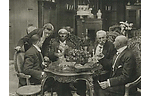
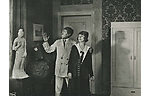
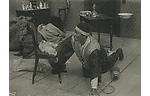
War-time report, broadcasted in August 1919.
Diana is assigned to find out the details of the enemy's war tactics. Together with her partner in crime, Robertson, she manages to get in touch with Captain Argo and retrieves secret information. All...
American melodramatic war movie. An American marries the widow of one of his French army friends, who never got back from the front. They live their lives together and take care of the child, who was ...
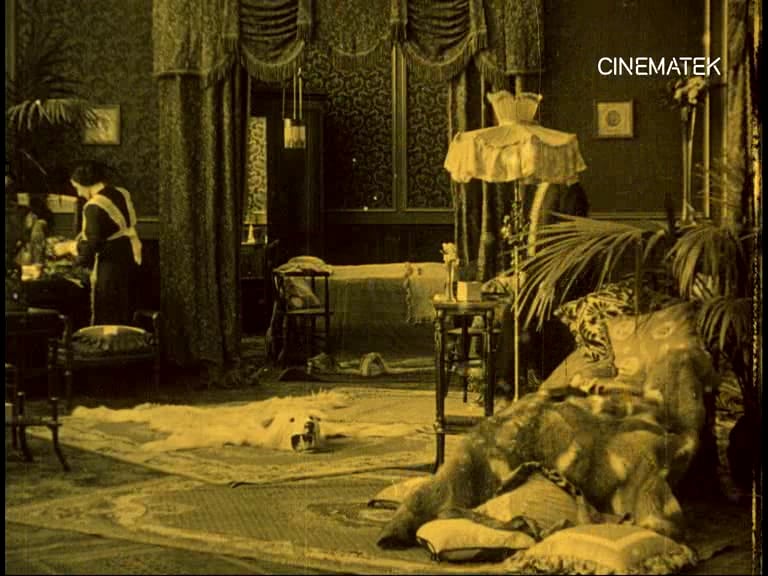
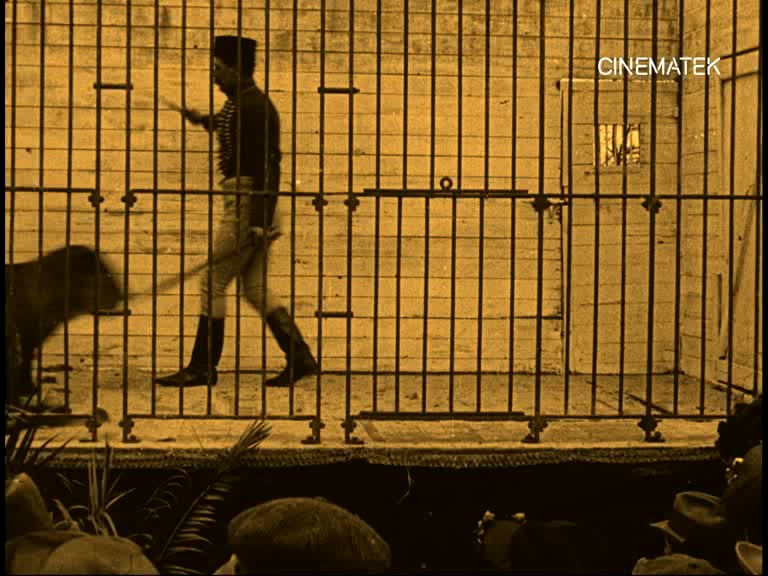
Comedy. A father whose looking for a suitable candidate for his daughter ends up having a mistress and tigers prowling all around him.
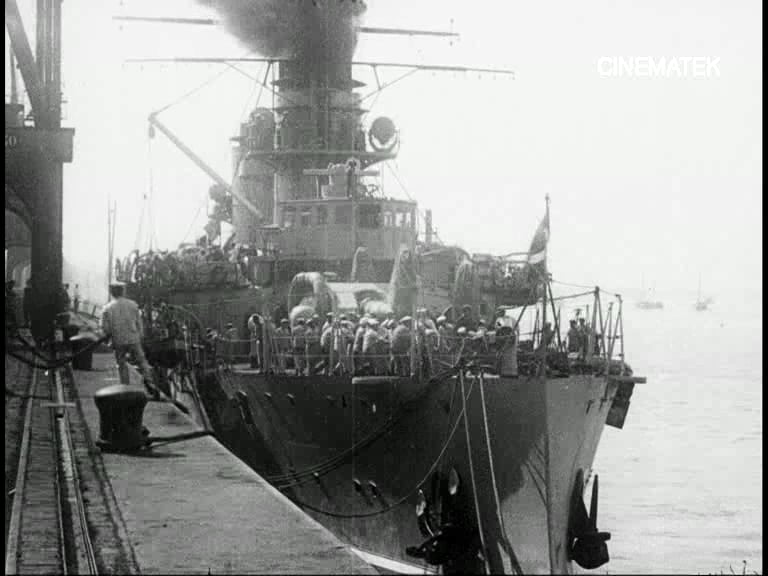
Newsreel item on the visit of the Italian war ship 'Ferruccio' in Belgium.
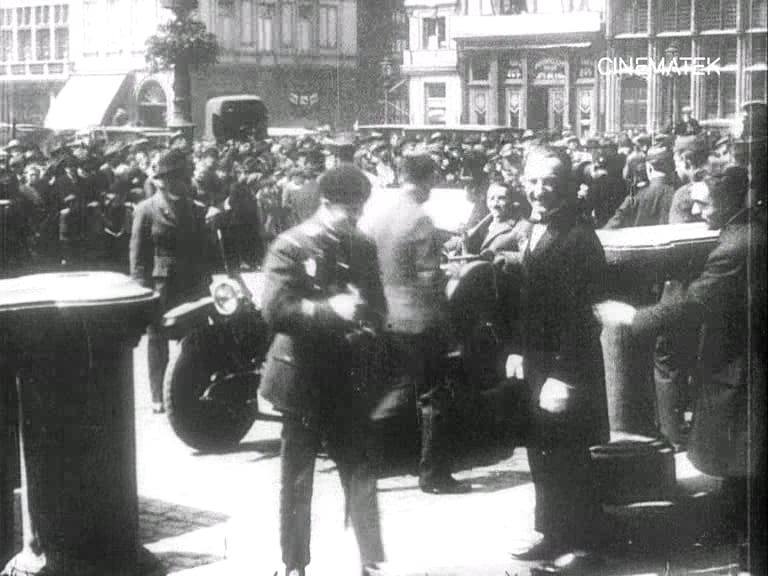
News report on a reception of war disabled French soldiers at the townhall.
Prince Emanuele Filiberto of Savoy-Aosta, Second Duke of Aosta, visits the tomb of the Unknown Soldier, and lays a wreath at the war memorial.
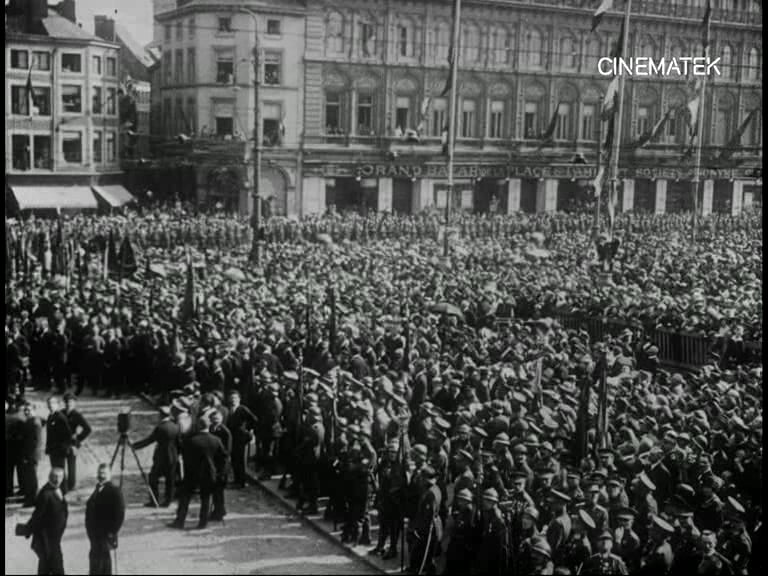
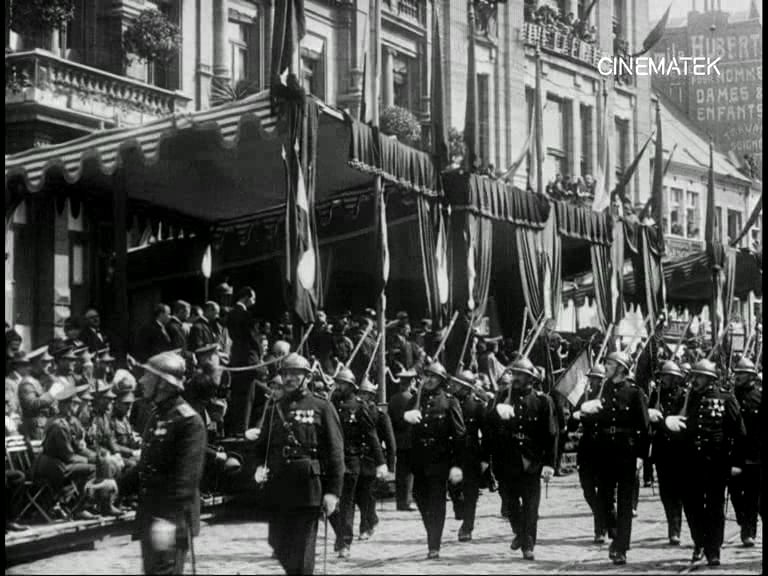
Newsreel item on the commemoration of the First World War.
Screenshot from "Hindenburgs 70. Geburtstag im Großen Hauptquartier"
Gustav Fröhlich, Lars Hanson (from left to right)
Dita Parlo, Gustav Fröhlich
Gustav Fröhlich
Still with Paul Wegener (third on the left)
Still with Lyda Salmonova, Paul Wegener (third on the left)
Paul Wegener, Lyda Salmonova
Paul Wegener
Imperator Film GmbH, Wenn frei das Meer für deutsche Fahrt !, Der Kinematograph, 556, (1917), S. 30.
Messter Film GmbH, Luftkämpfe. Ein Tag bei einer Jagdstaffel im Westen, Der Kinematograph, 557, (1917), S. 3.
Hansa Filverleih GmbH, Luftkämpfe. Ein Tag bei einer Jagdstaffel im Westen, Der Kinematograph, 558, (1917), S. 19-21.
Neuheiten auf dem Berliner Filmmarkte, Der Kinematograph, 559, (1917), S. 12-13. Rezension des von der Bufa herausgebrachten Films über den U-Boot-Krieg.
Julius Urgiss, Hindenburg, dem Förderer der Lichtbildkunst, Der Kinematograph, 561, (1917), S. 12-13. Lob des Generalfeldmarschalls für seinen Einsatz zugunsten des Mediums Film. Hervorgehoben wird ...
Kriegsanleihe-Filme, Der Kinematograph, 561, (1917), S. 14. Da "Der feldgraue Groschen" einen so durchschlagenden Erfolg hatte, seien noch weitere Filme zur Kriegsanleihe gedreht worden. "Hann, Hein u...
Argus, Neuheiten auf dem Berliner Filmmarkte, Der Kinematograph, 562, (1917), S.18-27. Die Messter-Film-Aufnahmen vom Luftkämpfen stehen an erster Stelle und werden als sensationell bezeichnet.
Kriegsanleihe-Filme, Der Kinematograph, 562, (1917), S. 28. Der Film "Der papierene Peter" wird als humorvoll und originell bewertet und werde seinem Zwecke gerecht.