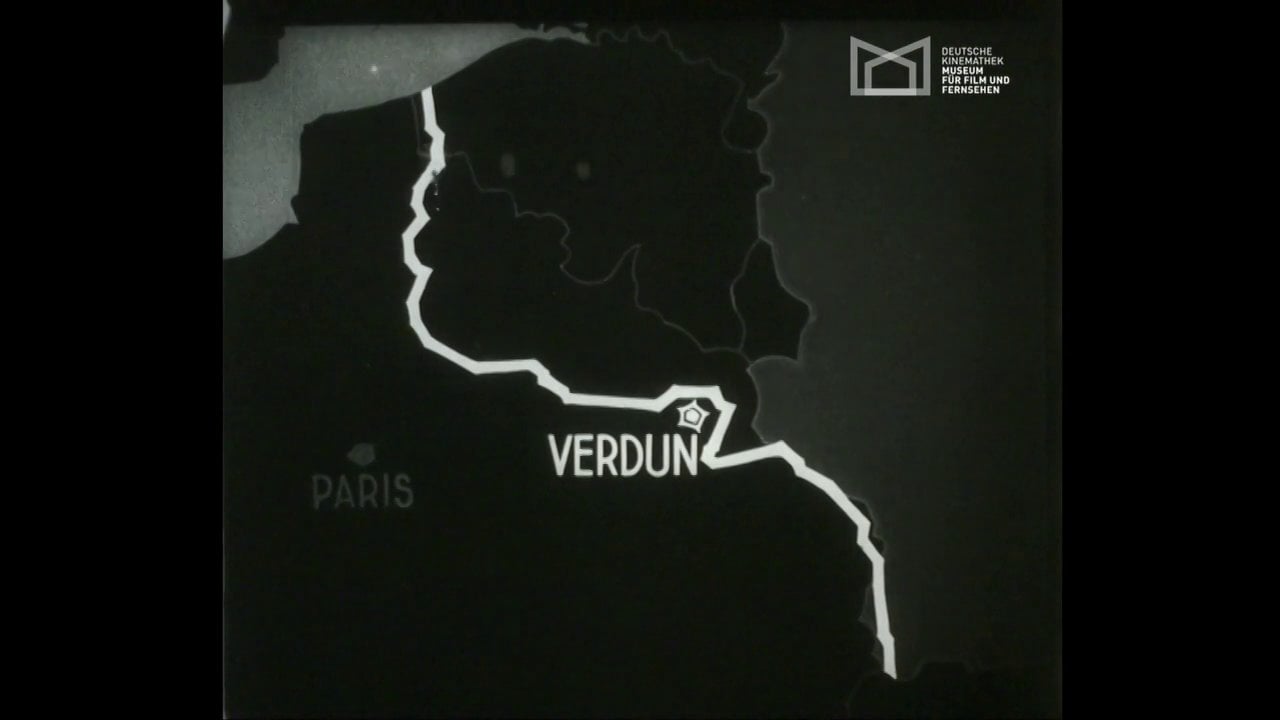
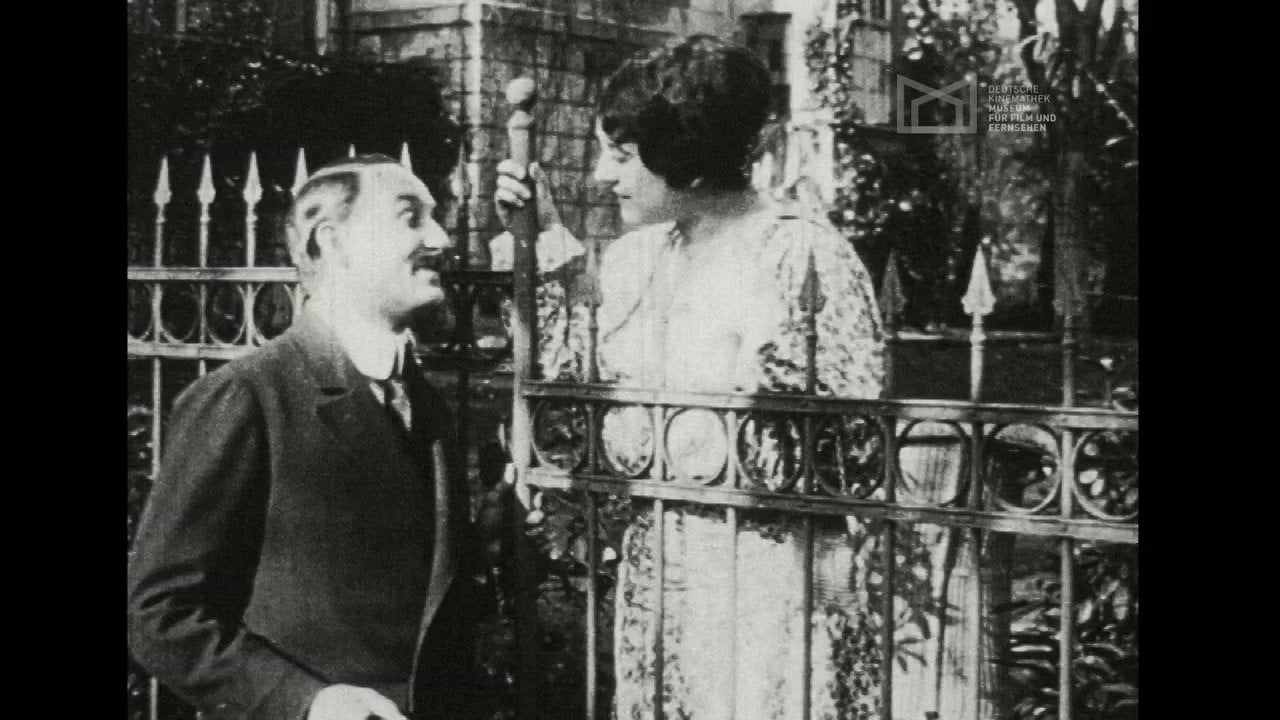
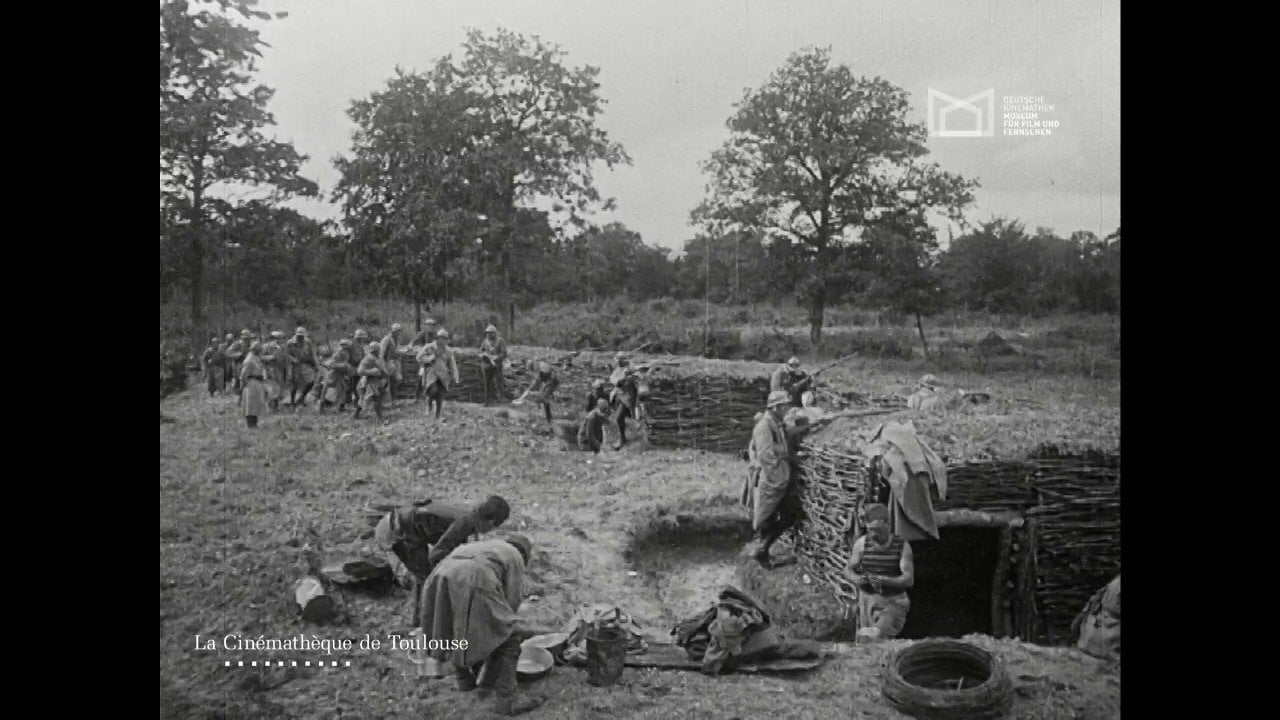
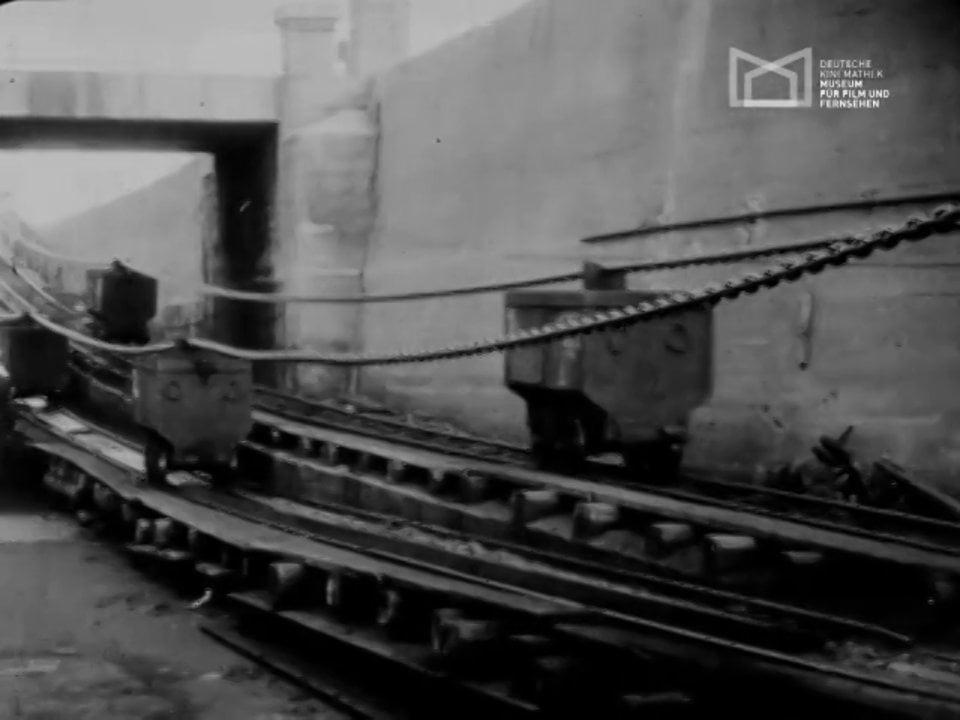
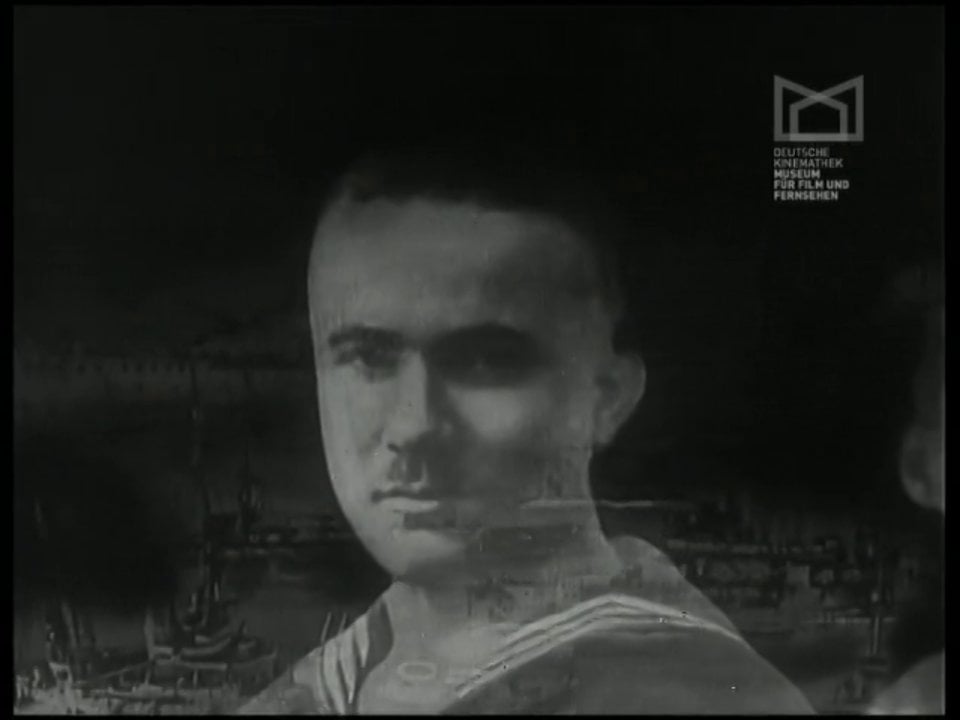
Der französische Kriegsspielfilm Verdun – Visions d’histoire von Léon Poirier wurde 1927/28 an den historischen Stätten von Verdun inszeniert. Der Film läuft 1929 als Verdun. Das Heldentum zwe...
This film tells the story of Wendhorst, a man who is constantly striving to do his duty for his country. He protects Germany’s secrets but when his wife lets them slip, he abandons her and decides t...
The German troops are about to take over Verdun. The alarm is raised. The French soldier is quietly waiting for the assault. People are evacuated. The wife is torn away from her husband who stays to d...
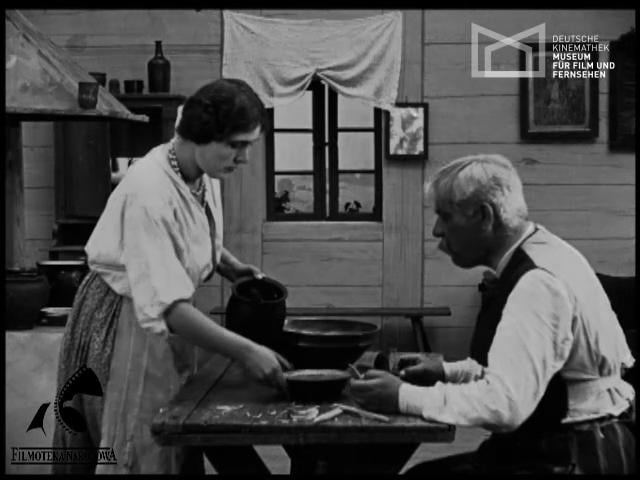
Stanislaus Krestowsky lives in a border town close to Germany where he works as a day laborer. He hears about job opportunities at the coal-mine Cecilie in Lützendorf and decides to move there with h...
The film is set in the spring of 1919. After the withdrawal of the German Army from Vilnius, the Polish-Bolshevik war breaks out. Waging with varying degrees of success, it brutally invades the life ...
An epic patriotic drama, initially consisting of two parts, illustrating episodes of the Polish-Soviet war. The film was produced at the request of the Department of Propaganda of the Ministry of Mili...
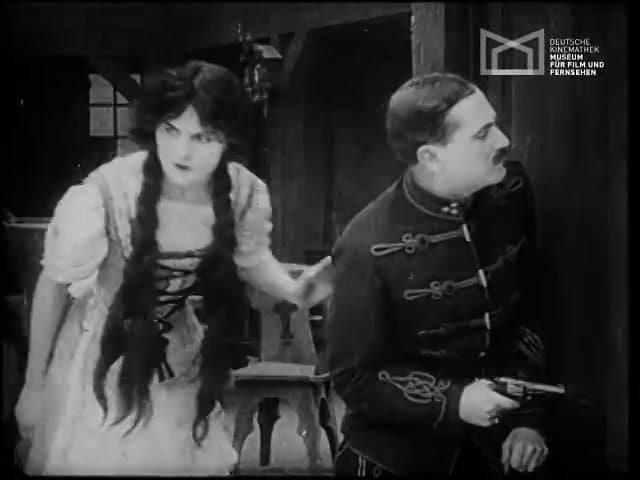
While traveling incognito through his kingdom, Prince Ludwig of Saxe-Tholberg becomes infatuated with Katrina, the daughter of innkeeper Hermann Ardelheim, but their idyll is interrupted by the arriva...
A retrospective view of the events of the German revolution produced by DEFA-Studio (GDR) in 1958. The revolutionary period lasted from November 1918 until the formal establishment of the Weimar Repub...
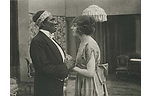
Paul Wegener, Lyda Salmonova
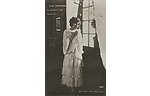
Lyda Salmonova
Lyda Salmonova
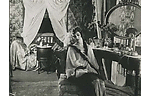
Lyda Salmonova, Paul Wegener
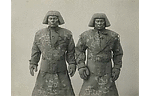
Golem-figures by sculptor Rudolf Belling
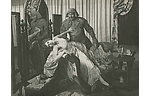
Paul Wegener
Still with Paul Wegener (in the middle)
Still with Henrik Galeen (first on the left), Paul Wegener (first from the right)
Spectator. "Der heutige Stand der Kinoreform." Bild & Film. Zeitschrift für Lichtbilderei und Kinematographie III, 3/4 (1913/ 1914): 49-56. Der Autor warnt vor den Gefahren, die vom Kino ausgingen un...
Häfker, Hermann. "Sind die 'kleinen' Kinotheater der Reform schädlich?" Bild & Film. Zeitschrift für Lichtbilderei und Kinematographie III, 3/4 (1913/1914): 58-60. Häfker geht davon aus, dass die ...
Schumacher, Carl. "Zur 'Kinodramatik'." Bild & Film. Zeitschrift für Lichtbilderei und Kinematographie III, 3/4 (1913/1914): 63-64. Schumacher stellt die Abwesenheit von Dialogen als das Hauptproblem...
O. Verf.. "Kino-Kritik." Bild & Film. Zeitschrift für Lichtbilderei und Kinematographie III, 3/4 (1913/1914): 68-69. Obwohl immer wieder Forderungen nach der Hebung des Niveaus im Kino laut würden, ...
O. Verf.. "Das Kinoplakat." Bild & Film. Zeitschrift für Lichtbilderei und Kinematographie III, 3/4 (1913/1914): 70. Meldung über die zunehmende Hebung des Niveaus von Kinoplakaten. Statt auf grelle...
O. Verf.. "Die Kinematographie auf dem 85. Naturforschertag in Wien." Bild & Film. Zeitschrift für Lichtbilderei und Kinematographie III, 3/4 (1913/1914): 70-71. Meldung über den Einsatz von Filmen ...
O. Verf.. „Polizeiverordnung für das Rheinland.“ Bild & Film. Zeitschrift für Lichtbilderei und Kinematographie III, 3/4 (1913/1914): 72-73. Meldung über den Einsatz von Filmen als illustrieren...
O. Verf.. „Ein Kinematographengesetz in Württemberg.“ Bild & Film. Zeitschrift für Lichtbilderei und Kinematographie, III, 3/4 (1913/1914): 73. Jeder Film, der öffentlich vorgeführt werde, mü...