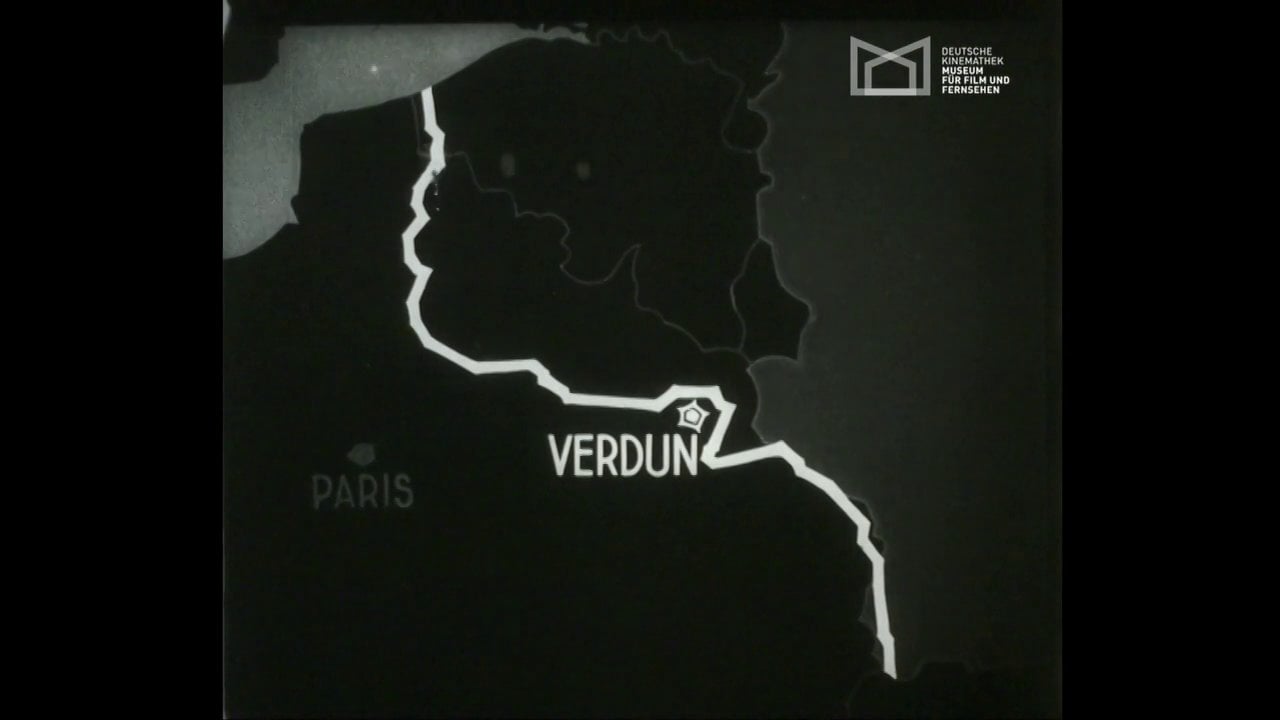
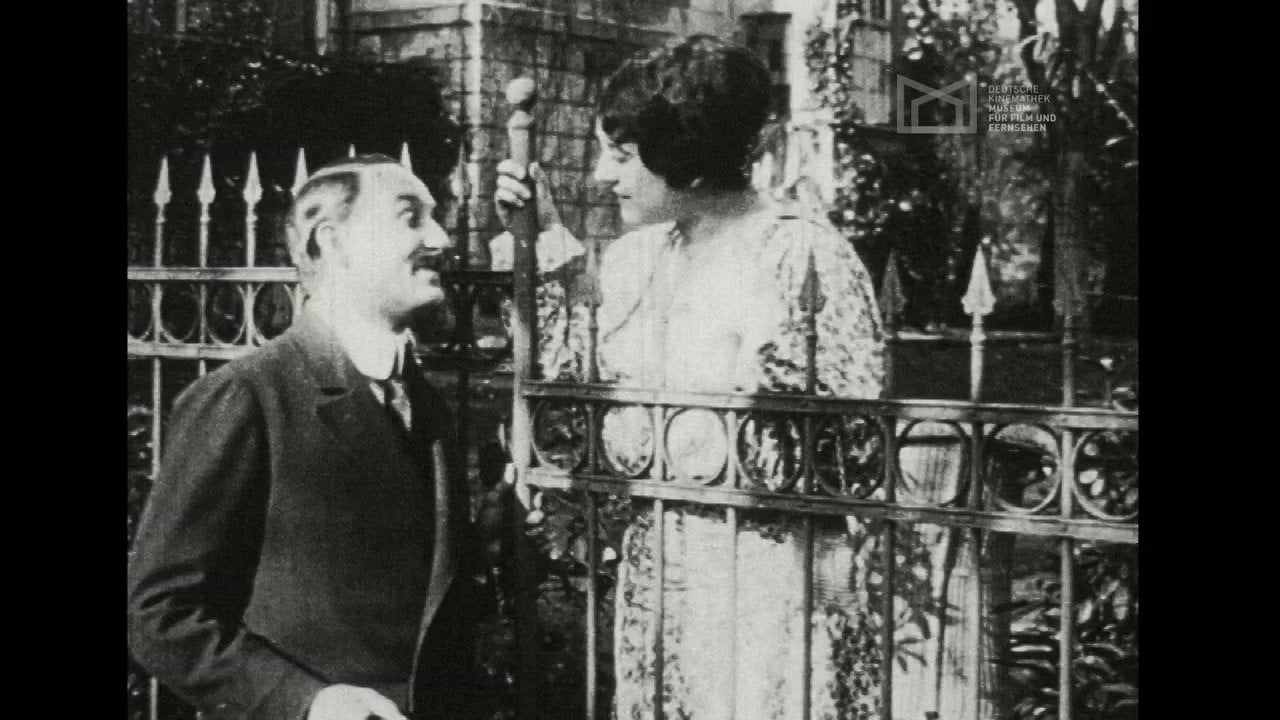
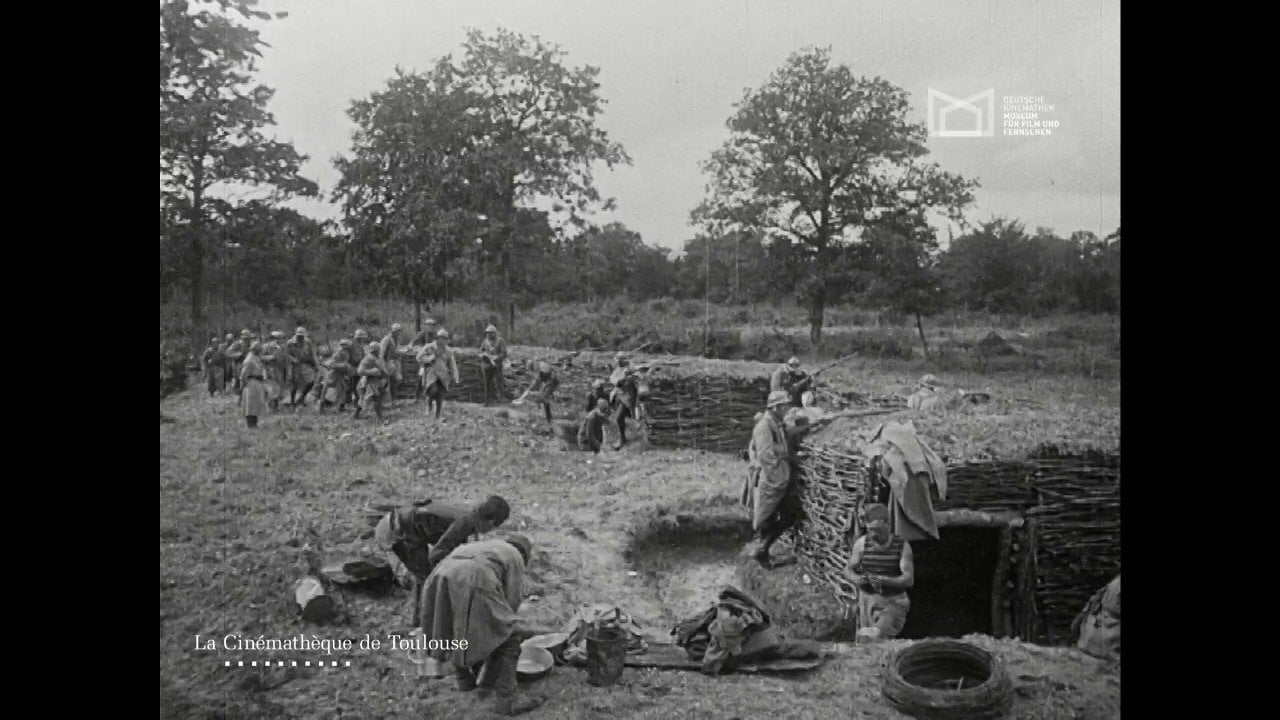
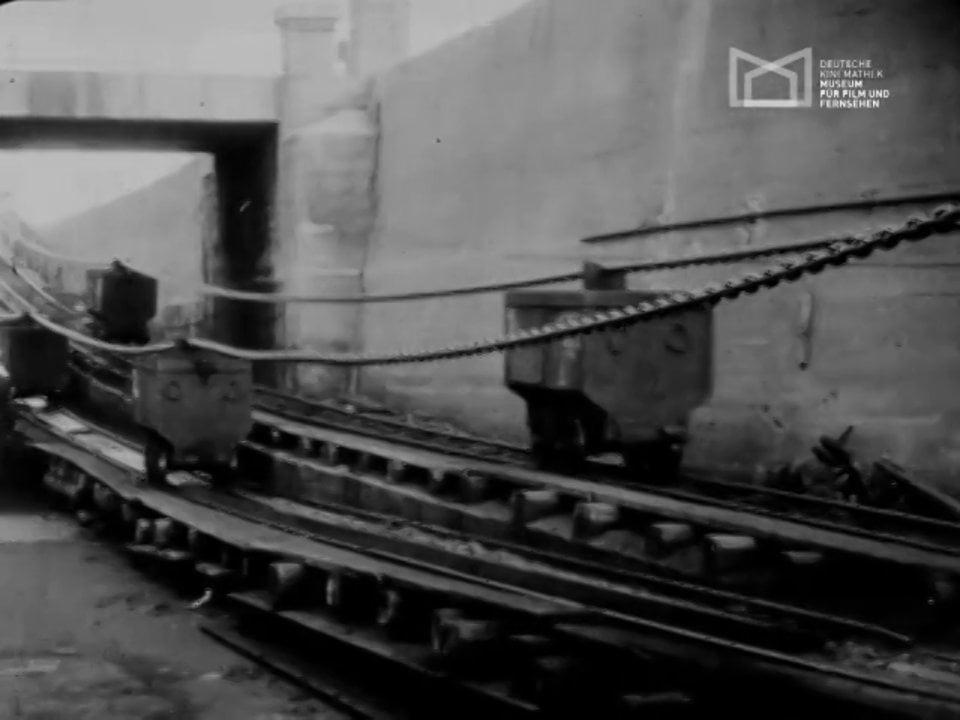
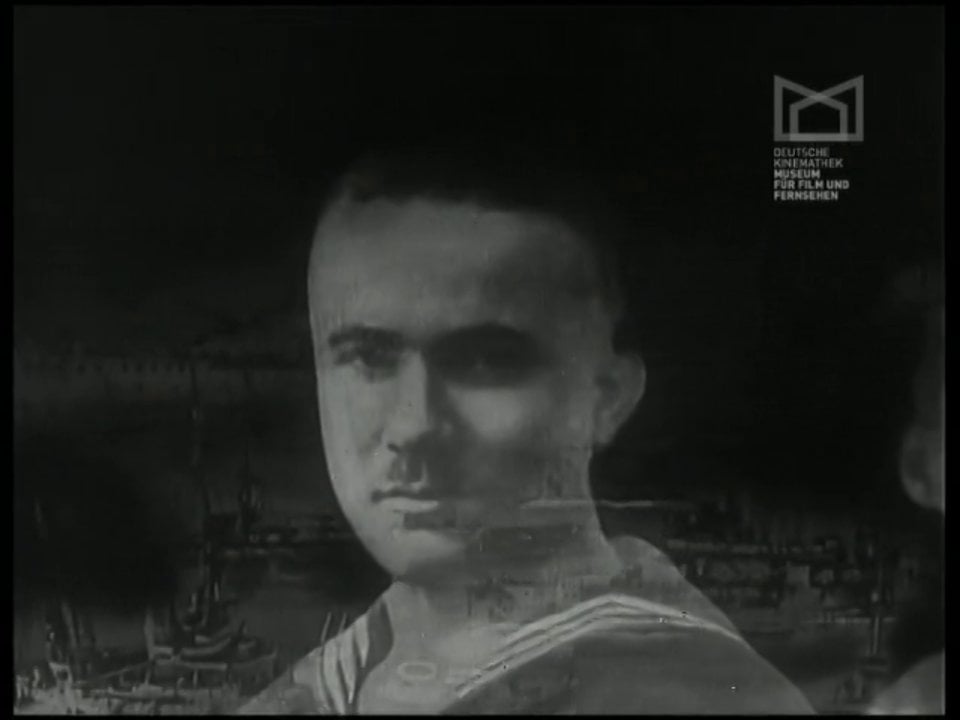
Der französische Kriegsspielfilm Verdun – Visions d’histoire von Léon Poirier wurde 1927/28 an den historischen Stätten von Verdun inszeniert. Der Film läuft 1929 als Verdun. Das Heldentum zwe...
This film tells the story of Wendhorst, a man who is constantly striving to do his duty for his country. He protects Germany’s secrets but when his wife lets them slip, he abandons her and decides t...
The German troops are about to take over Verdun. The alarm is raised. The French soldier is quietly waiting for the assault. People are evacuated. The wife is torn away from her husband who stays to d...
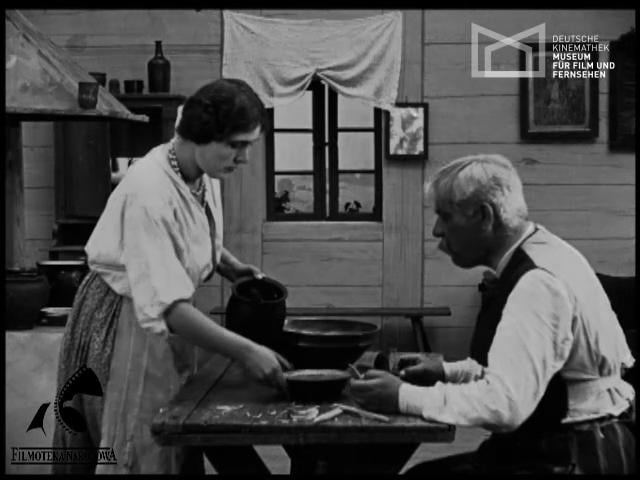
Stanislaus Krestowsky lives in a border town close to Germany where he works as a day laborer. He hears about job opportunities at the coal-mine Cecilie in Lützendorf and decides to move there with h...
The film is set in the spring of 1919. After the withdrawal of the German Army from Vilnius, the Polish-Bolshevik war breaks out. Waging with varying degrees of success, it brutally invades the life ...
An epic patriotic drama, initially consisting of two parts, illustrating episodes of the Polish-Soviet war. The film was produced at the request of the Department of Propaganda of the Ministry of Mili...
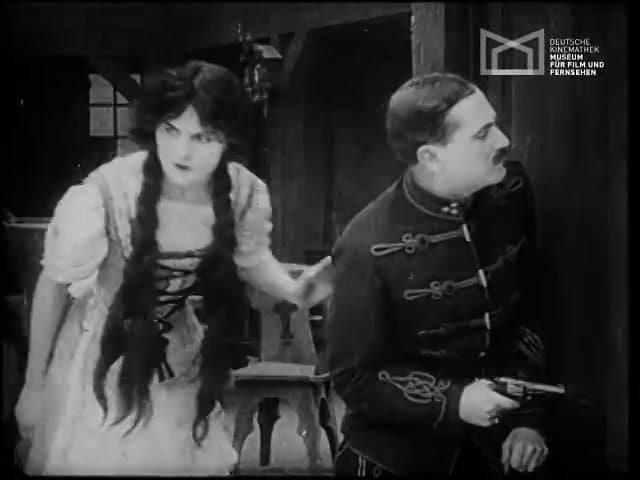
While traveling incognito through his kingdom, Prince Ludwig of Saxe-Tholberg becomes infatuated with Katrina, the daughter of innkeeper Hermann Ardelheim, but their idyll is interrupted by the arriva...
A retrospective view of the events of the German revolution produced by DEFA-Studio (GDR) in 1958. The revolutionary period lasted from November 1918 until the formal establishment of the Weimar Repub...
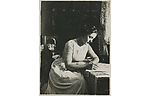
Alice Verden
Alice Verden
Still with Alice Verden
Erich Ponto, Alice Verden
Still with Alice Verden, Erich Ponto (both on the left)
Hedda Lembach, Alice Verden (from left to right)
Still from "Der Geiger von Meißen"
Still with Alice Verden (top, on the left)
Oscar Geller, Detektiv-Filme, Der Kinematograph, 593, (1918), S. 21-25. Eröterung der Krimiwelle. Man könne Krimis nicht einfach als Schund abtun. Auch wenn viele der frühen Krimis, maßgeblich aus...
Poldi Schmidl, Der Kinobesitzer als Staatsbeamter, Der Kinematograph, 607, (1918). Angesichts der geplanten Konzessionspflicht für Kinobesitzer wird die Möglichkeit einer Verstaatlichung der Filmind...
Argus, Neuheiten auf dem Berliner Filmmarkte, Der Kinematograph, 614, (1918). "Kinder der Liebe" als Tendenz- und Aufklärungsfilm bezeichnet, dessen Absicht überzeuge. "Der Gefangene von Dahomey" se...
Egon Jacobsohn, Ferdinand Lassalle, Der Kinematograph, 615, (1918), S. 18-30. Bericht von der Uraufführung in Berlin. Die Aufführung sei ein voller Erfolg gewesen, zumal es besonders gut in die Zeit...
Deutsche Lichtbild Gesellschaft e.V., Der Friedensreiter, Der Kinematograph, 618, (1918), S.22-23.
Emil Perlmann, Wenn die Waffen ruhen...!, Der Kinematograph, 619, (1918). Erörterung der Lage der Filmindustrie angesichts des greifbaren Kriegsendes. Die Filmindustrie müsse den Kampf gegen die Zen...
Der deutsche Film für das Ausland, Der Kinematograph, 620, (1918). Es sei Aufgabe der deutschen Filmindustrie, den negativen Vorstellungen über Deutschland, die im Ausland im Krieg verbreitet worden...
Universum Filmverleih, Die Waffen nieder, Der Kinematograph, 620, (1918), S. 28-33.