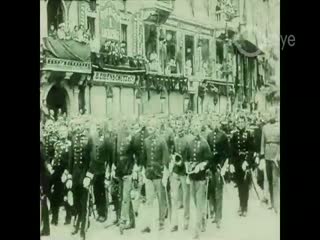
Concerns the First World War. The images are authentic and made by the film service of the French army. Shots showing the proceedings of the war in various places in France and Belgium, such as Reims...
A reportage about the First World War and the run-up to that war.
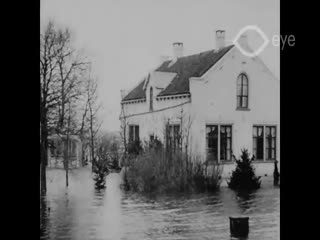
News item about the Zuiderzee flood of 1916, shown a few days after the disaster happened A severe storm on January 14, 1916, caused flooding in many areas around the Zuiderzee. This news item contain...
Silent reportage about the admission of Belgian refugees in a Dutch refugee camp in 1916.
On the sidelines of a parade, police officers are trying to keep the restless crowd under control. "Rückkehr von der Parade" is a sound picture, a short film synchronously accompanied by a record in ...
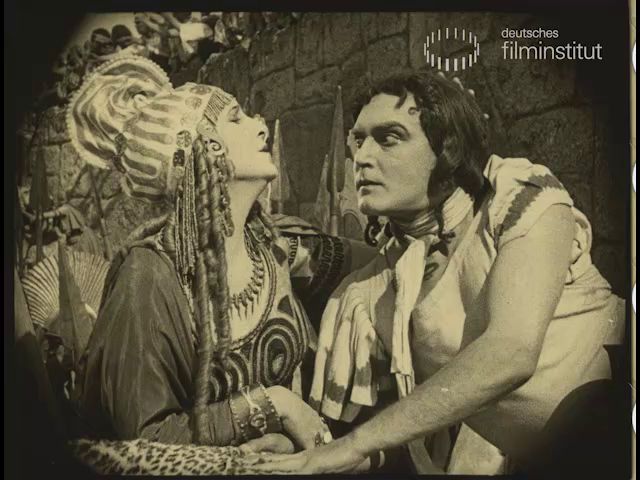
A compilation of war scenes taken from the second part of the epic film "Helena" (1923/1924) – a film adaptation of the ancient saga about the conquest of Troy by the Greeks made by Manfred Noa for ...
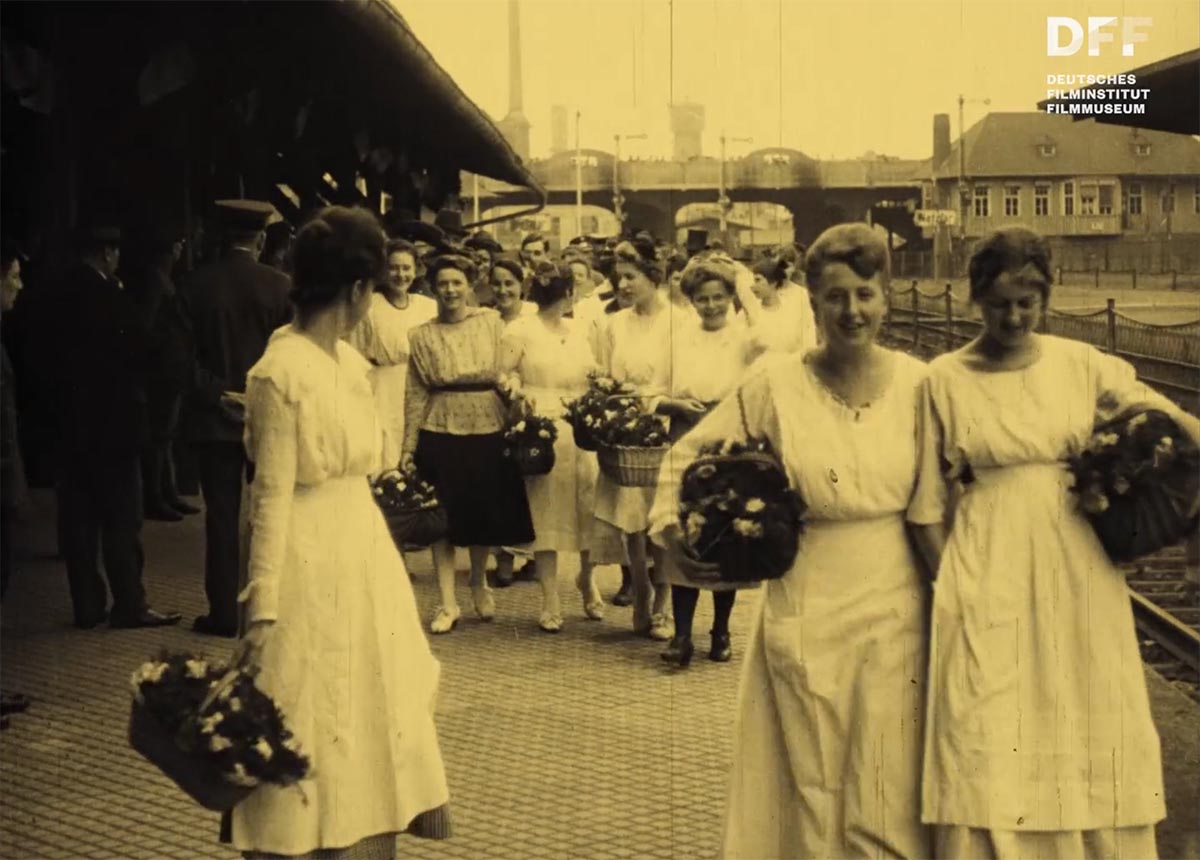
Arrival of returning German POWs at Wetzlar train station. The soldiers are greeted at the station by a crowd of people. Since the train is arriving from the direction of Cologne, it can be assumed th...
Ukrainians in Wetzlar, 1919 Footage of the prisoner of war camp Büblingshausen. The Ukrainian soldiers march up to the consecration of the flag. They are dressed in new uniforms in Ukrainian style an...
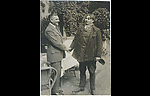
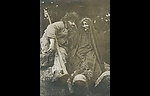
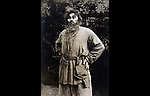
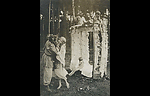
Rochus Gliese, Paul Wegener (from left to right)
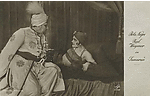
Still with Lyda Salmonova, Paul Wegener (on the right, front)
Arthur Ehrens, Paul Wegener (from left to right)
Paul Wegener, Hedwig Gutzeit
Paul Wegener
Paul Wegener, Lyda Salmonova
Paul Wegener, Pola Negri
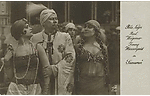
Pola Negri, Paul Wegener, Jenny Hasselquist (from left to right)
Die Eiko-Kriegswoche im Dienste der Auslandsaufklärung, Der Kinematograph, 453, (1915), S. 22. Bericht über eine Vorführung von Eiko-Wochenschaubildern vor dem amerikanischen Botschafter.
Die Rohfilmsorge, Der Kinematograph, 456, (1915), S. 15. Bericht über die Auswirkungen des kriegsbedingten Rohstoffmangels auf die Filmindustrie.
Die Schaffnerin der Linie 6. Ein neuzeitliches Lebensbild, Der Kinematograph, 464, (1915), S. 17-19. Werbung für einen Film, der die kriegsbedingte zunehmende Beschäftigung von Frauen in der Öffent...
K.W., Kino, Krieg und Kirche, Der Kinematograph, 465, (1915), S. 15-16. Bericht über die preußische Generalsynode, in der das Kino als verderblich angegriffen wurde. Der Verfasser entgegnet, dass di...
Passt das Kino in den Ernst der Zeit ?, Der Kinematograph, 468, (1915), S. 20-21. Die Kritik am Kino sei völlig unangebracht, da das Kino generell mit anderen Maßstäben gemessen werde als andere Un...
Stern-Film, Alkohol, Lichtbildbühne, 49, (1918), S. 69.
Die Liquidation der "Bufa", Lichtbildbühne, 50, (1918), S. 9-10. Reportage anlässlich der geplanten Auflösung des Bild-und Filmamtes. Zusammenfassung ihrer Leistung, die mit ihrem Gründer verglich...
Richard Ostwald Film GmbH, Die Prostitution, Lichtbildbühne, 50, (1918), S. 74-75. Werbung für einen Film über die Prostitution.